About No. 7822

One
Manor.

The story, character and continuing preservation of Foxcote Manor.

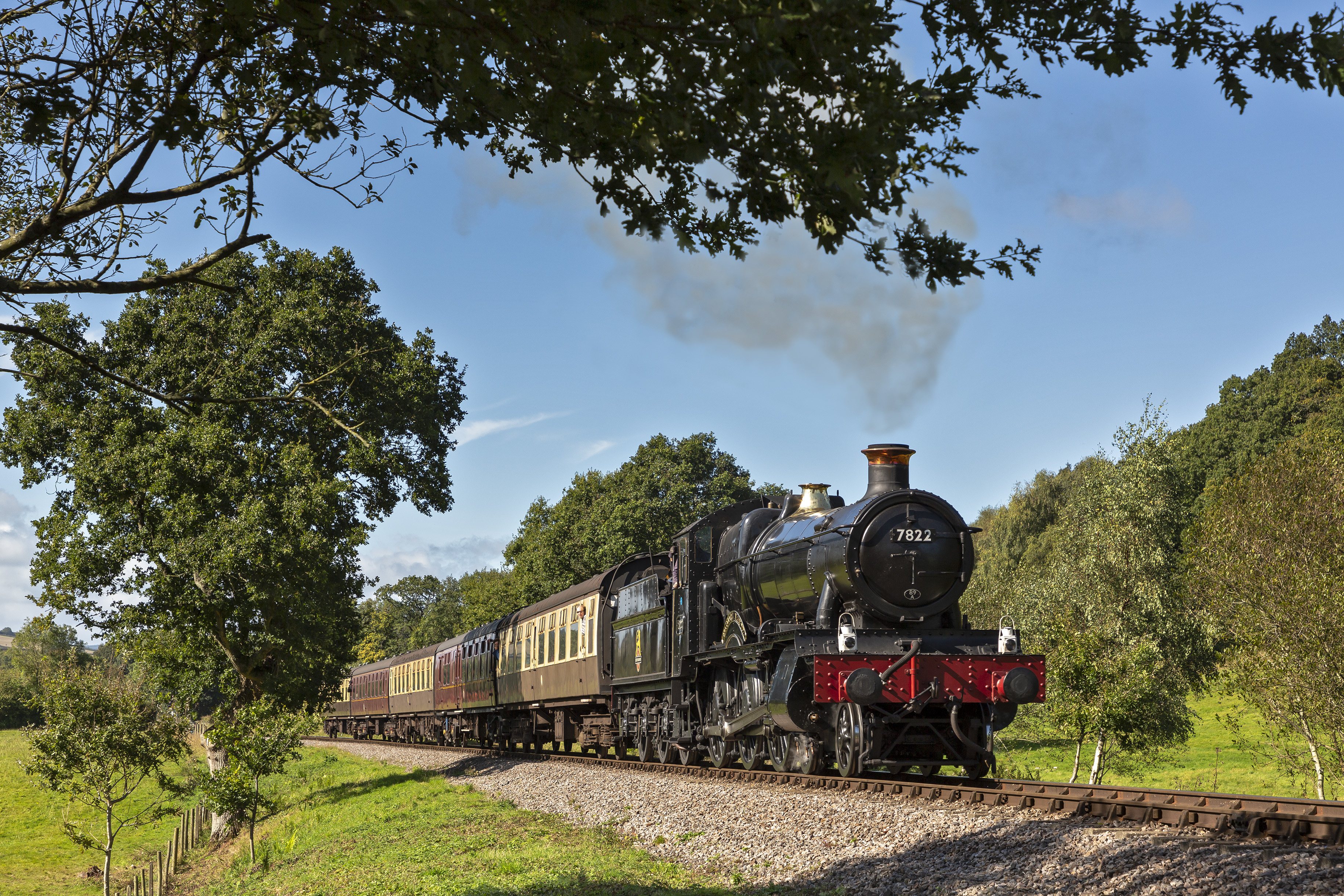
Foxcote Manor hauling a passenger train at Leigh Woods
Foxcote at Leigh Woods Photograph: Don Bishop
Number 7822
Class GWR Manor
Built 1950
Owner The Society

Built to work.
Preserved to work.

Built at Swindon Works in December 1950, Foxcote Manor is one of nine surviving Great Western Railway 78xx Manor Class locomotives.

A locomotive with an identity

Independent, charity-owned, a proud example of the best of British engineering.

01 / Identity Foxcote Manor
02 / Number 7822
03 / Built Swindon, 1950
04 / Surviving class Seven of Nine
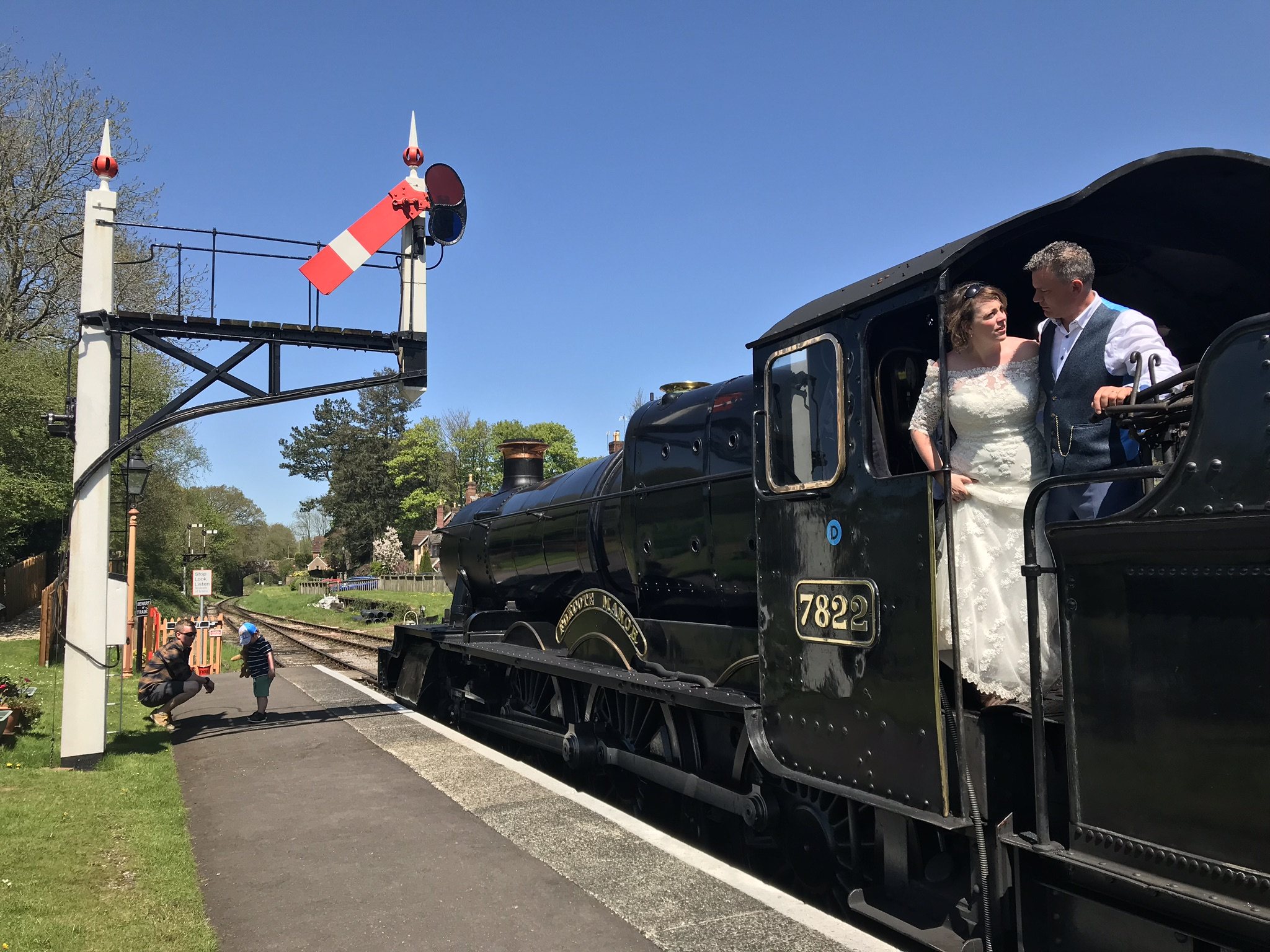
Foxcote hosts the bride and groom at Crowcombe Heathfield
Foxcote hosts the Bride and Groom at Crowcombe Heathfield Photograph: Martin Fuller

A working locomotive

Four tickets.
Many railways.

Foxcote Manor has completed 30 years of active service in preservation across four boiler tickets and more than 100,000 miles.

Explore operating stories

Owned.
Maintained.
Returning.

December 1950

Construction

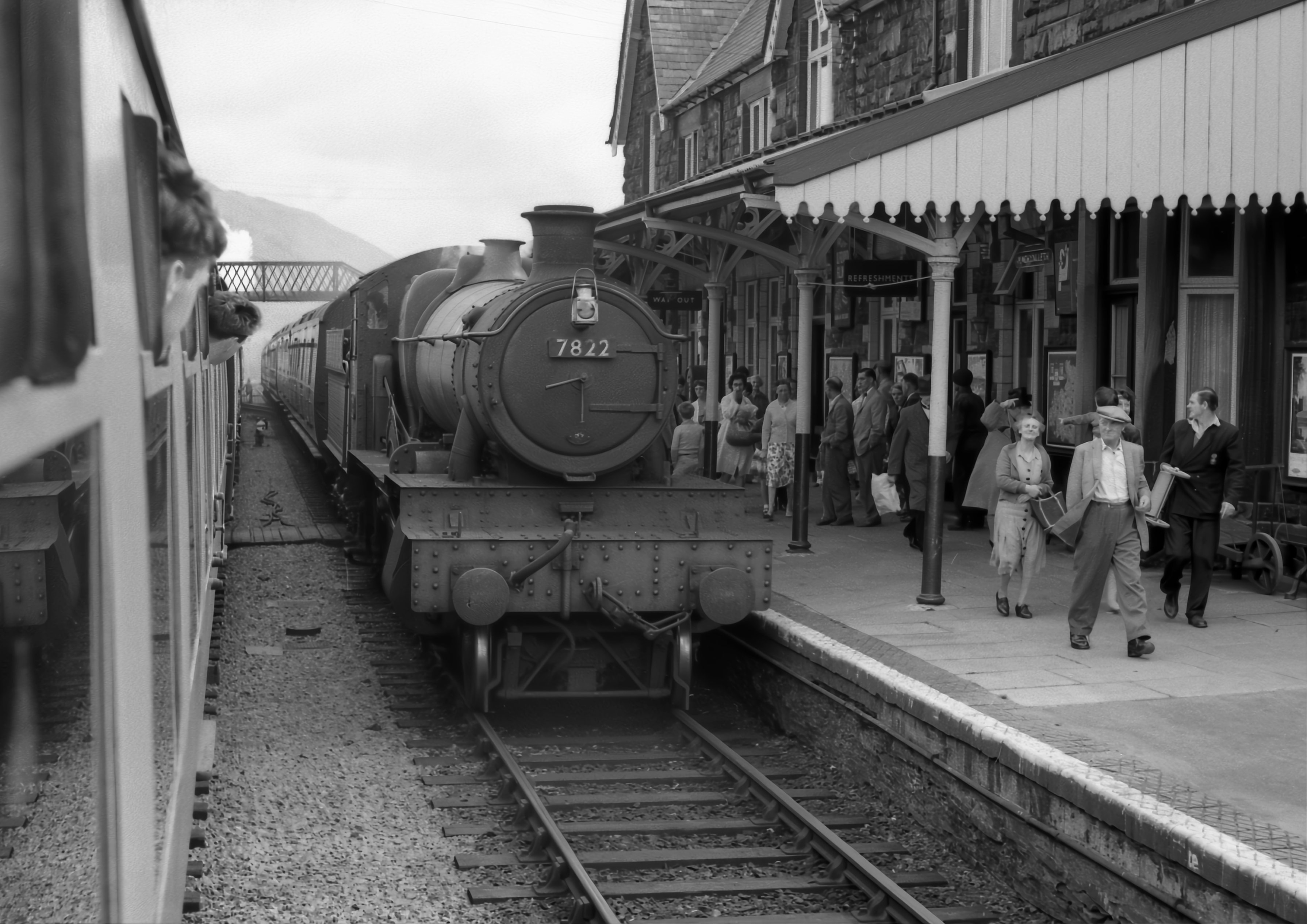
Foxcote Manor at Machynlleth on 12 August 1961
Foxcote at Machynlleth, 12 August 1961 Courtesy: Andrew Dyke

GWR No. 7822 Foxcote Manor was built at Swindon Works as the third of the final batch of ten Manor Class locomotives produced after nationalisation by British Railways. She was outshopped in unlined black livery.

The locomotive takes its name from Foxcote Manor, a Grade II listed manor house dating largely from the seventeenth century, located in the hamlet of Foxcote near Withington in the Cotswolds of Gloucestershire.

Designed by Charles Collett, the Manor Class combined the power of a mixed-traffic 4-6-0 with permissive “blue route” availability. Members of the class worked across the GWR network. Many were based in the South West, often piloting express services over the demanding Devon banks west of Taunton, while the class became particularly associated with the lightly laid Welsh and Cambrian routes. The largest locomotives permitted on those lines, the Manors are well remembered for hauling heavy summer excursions from the Midlands to Welsh seaside resorts. Early poor steaming was transformed by modifications to the blastpipe, chimney and firebar arrangement in the early 1950s.
1950–1965

British Railways service

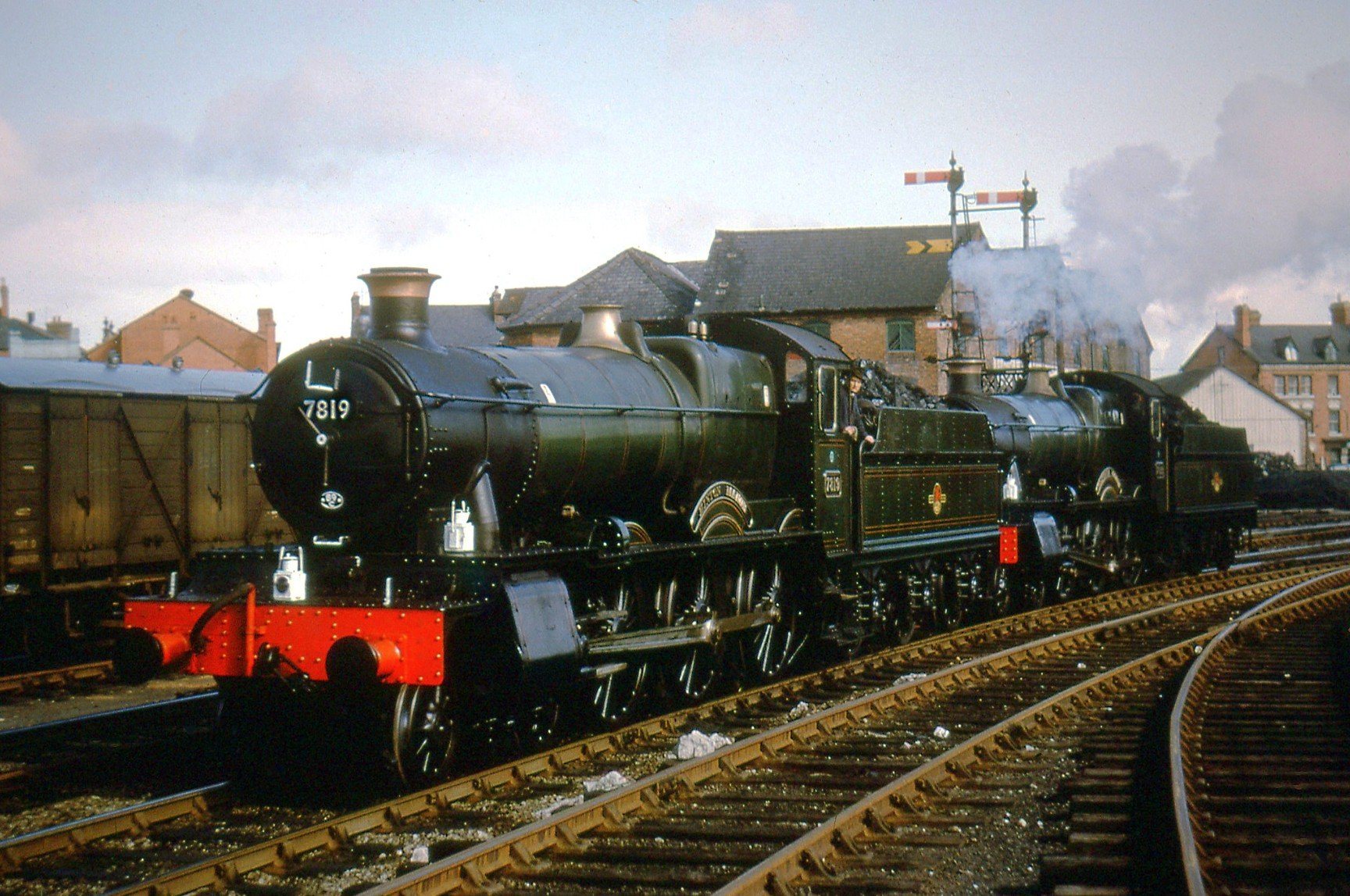
Manor Class locomotives prepared for Royal Train duty in August 1963
Royal Train locomotives, August 1963 Photograph: Keith Pirt

No. 7822 entered traffic at Oswestry in December 1950. Throughout a fifteen-year British Railways career, Foxcote remained closely associated with the former Cambrian system, hauling express, stopping passenger and freight trains across mid and north Wales, the Welsh Marches and the West Midlands.

Regular destinations included Aberystwyth, Pwllheli, Barmouth, Shrewsbury, Birkenhead, Oswestry, Whitchurch, Chester, Crewe, Gloucester, Wolverhampton and Birmingham.

Foxcote acquired a reputation for spirited performance and is reputed to hold the Manor Class speed record at 86 mph. On one occasion, she deputised for a failed King Class locomotive at Shrewsbury. Two coaches were removed from the incoming Cambrian Coast Express, and Foxcote set off with coal piled high and made Paddington on time. In 1963 she is reputed to have taken ten coaches unassisted over the steep gradient at Talerddig, while eleven-coach workings into Birmingham were not uncommon for a single Manor.

One of Foxcote’s career highlights came on 10 August 1963, when No. 7822 was entrusted with hauling the Royal Train. A month later, Foxcote and Lydham Manor took over the delayed Talyllyn Railway AGM special at Ruabon. Their crews made up 45 minutes between Ruabon and Tywyn in what was described as an epic run.

Shed allocations

DateShedLocation
31 December 195089AOswestry
24 April 195484KChester West
6 September 195889AOswestry
28 December 19636FMachynlleth
23 January 19656DShrewsbury
1965–1988

From Barry to Oswestry

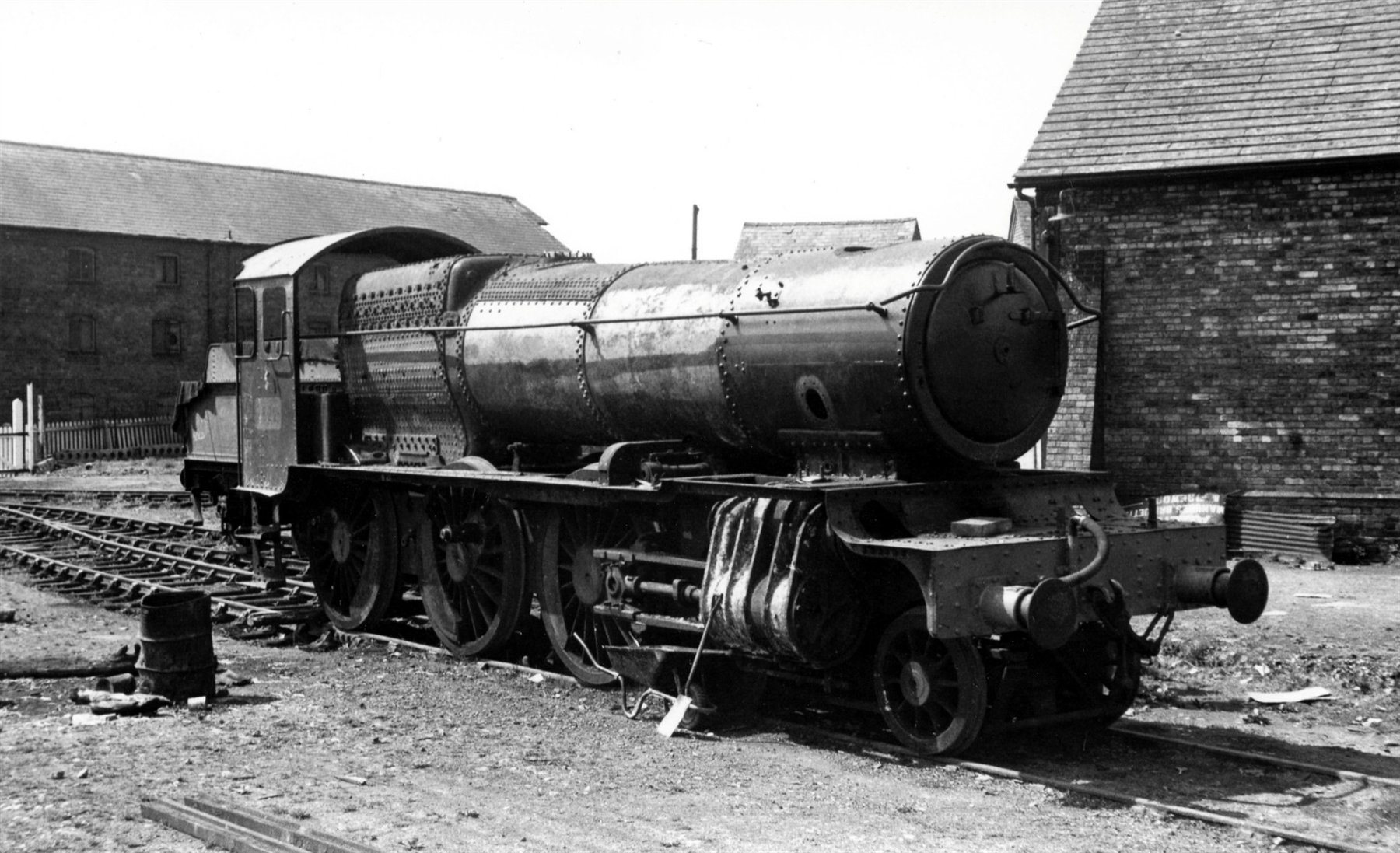
Foxcote Manor dismantled and awaiting restoration at Oswestry in May 1975
Restoration at Oswestry, 11 May 1975 Society archive

Foxcote Manor was withdrawn from service in November 1965 after covering 482,693 miles under British Railways. In 1966 she was transferred to Woodham Brothers scrapyard at Barry Island, South Wales, alongside eight of her nine surviving sister Manor Class locomotives.

What became the Foxcote Manor Society was formed in 1972 to rescue a Manor Class locomotive from Barry Scrapyard. Foxcote’s purchase was secured in 1974 and, in January 1975, she returned to Oswestry. Volunteers began dismantling the heavily weathered engine, finding that almost every nut and bolt had seized after a decade exposed to sea air and the South Wales climate.

In 1985 the well-advanced project relocated to the nearby Llangollen Railway, where a dedicated shed was constructed around the locomotive. Following years of volunteer work and fundraising, No. 7822 returned to steam in 1987 in BR lined green and hauled her first preservation-era train at Llangollen in 1988.

1988–2016

Preservation career

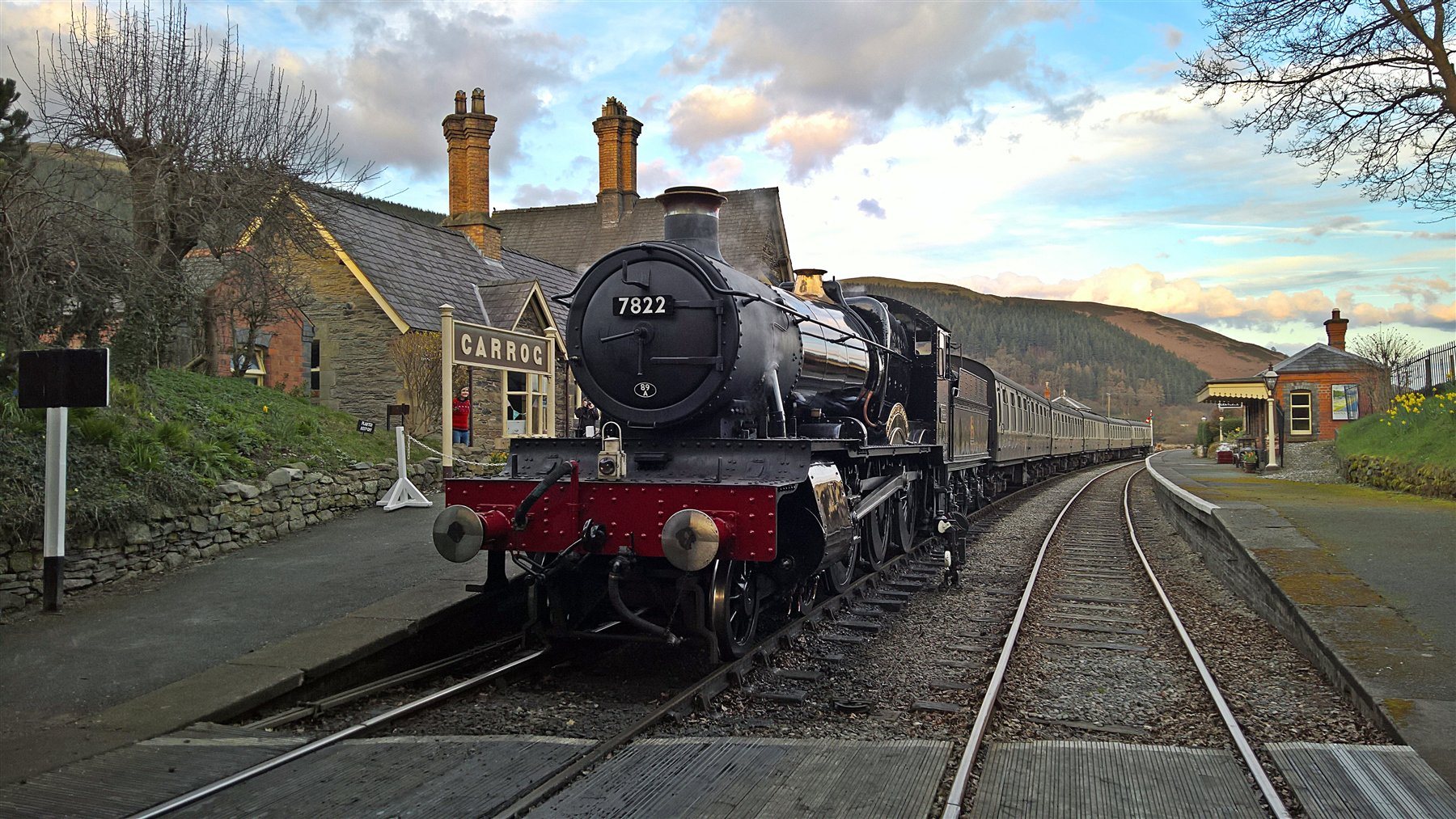
Foxcote Manor standing at Carrog during its preservation career
Foxcote Manor at Carrog Photograph: Martin Fuller

Once restored, Foxcote Manor became one of the principal locomotives of the Llangollen Railway. On Good Friday 1990 she hauled the first passenger train to reach Deeside Loop. In 1996 she piloted Castle Class Defiant on the official Carrog reopening train, and on 2 April 2016 became the first Manor Class locomotive to reach Corwen in 51 years.

Foxcote has also operated at preserved railways and events across the UK, including the Severn Valley Railway, Gloucestershire and Warwickshire Railway, Great Central Railway (North), East Lancashire Railway, East and West Somerset Railways, Crewe’s Great Gathering, Barrow Hill, North Yorkshire Moors Railway, Keighley & Worth Valley Railway, Kent & East Sussex Railway and Mid-Hants Railway.

The tender

Foxcote Manor runs with the same tender she was paired with when sent to Barry Scrapyard. Although officially tender No. 2347, investigation revealed the number 1727 on the chassis. Built in 1907, this is considered more likely to be the chassis’s correct identity. The tank may be older still, with evidence that it originally carried coal rails and then short fenders. Foxcote’s is undoubtedly one of the oldest GWR tenders currently in service.

Today

Current overhaul and legacy

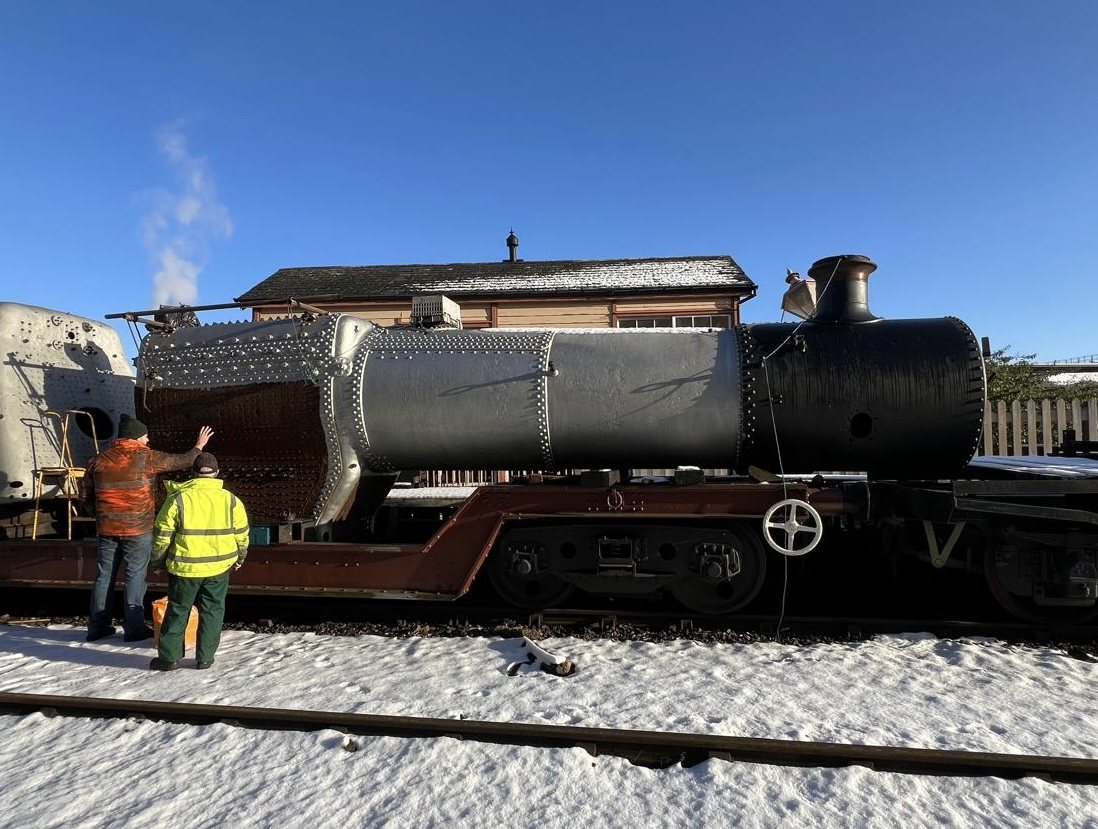
Foxcote Manor boiler outside in the snow during the overhaul
Foxcote’s boiler in the snow Photograph: Andrew Bailey

Foxcote has completed 30 years of active service in preservation across four boiler tickets and more than 100,000 miles. During that time, the Society has invested heavily in the locomotive, providing a new front tubeplate, lower half throatplate, bogie, driving-wheel and tender tyres, tender tank, tender drag box and smokebox. The motion has been overhauled several times.

The boiler is a 1938-built example first fitted to No. 7819 Hinton Manor. Fair wear and tear means that its copper firebox is now being renewed, together with a new steel doorplate and new three-quarter steel side sheets.

This repair is possible because of the generous donation of copper for the new firebox, considerable volunteer effort and the continued support of Society members. The new firebox will leave the locomotive in good standing for the next 50 years and beyond.

Today, No. 7822 Foxcote Manor remains a testament to the preservationists who saved her from Barry Scrapyard. From Cambrian Coast Express and Royal Train duties in the 1960s to heritage railway service in the twenty-first century, the locomotive represents both the engineering traditions of Swindon Works and the enduring appeal of the Great Western Railway.

Website Design by Pedwar

Cookie Settings